


Simulation games, often referred to simply as 'sims,' constitute a popular category of video games that replicate real-world activities. From aviation to urban planning, these games allow players to experiment with various aspects of life and mechanical processes. The allure of simulation games lies in their ability to provide a sandbox environment where creativity, strategy, and management skills are put to the test.
One of the fundamental features of simulation games is their focus on realism and detail. Whether guiding a city to prosperity in 'Cities: Skylines' or piloting a commercial airplane in 'Microsoft Flight Simulator,' these games provide a layered experience that often mirrors real-world complexities. The 'r85 link' within the simulation genre could be likened to a thematic or gameplay-based connection among titles, helping enthusiasts discover new experiences within the genre.
The appeal of simulation games spans across various player demographics, from casual gamers seeking relaxation to enthusiasts who enjoy the intricate challenge. For instance, life simulation games such as 'The Sims' series offer players control over virtual characters, fostering environments where they can build homes, manage careers, and navigate social dynamics.
Similarly, business simulation games like 'RollerCoaster Tycoon' engage players in creating and managing theme parks. By balancing resource management with customer satisfaction, these games provide a rich blend of creativity and strategic planning. They allow players to experiment with different strategies, testing the outcomes without real-world repercussions.
One of the genre's subcategories gaining momentum is construction and management simulations. Games in this category, such as 'Factorio' or 'Planet Coaster,' challenge players to optimize systems and solve complex logistical puzzles. Meanwhile, the farming simulation arena, exemplified by 'Stardew Valley' or 'Farming Simulator,' attracts players with its blend of agriculture management and personal relationship-building.
Another key aspect of simulation games is their educational value. They can serve as interactive learning tools, offering insight into scientific principles, historical events, and environmental issues. For example, medical simulation games may provide a basic understanding of human anatomy, while environmental sims can simulate the impacts of climate change.
In essence, simulation games provide a platform for exploration, creativity, and learning. They offer endless possibilities and cater to a diverse user base, blending entertainment with reality in ways that inspire curiosity and innovation. By engaging with the 'r85 link' of simulation games, players can uncover a vast network of interconnected themes and gameplay styles, each promising a unique and immersive experience.
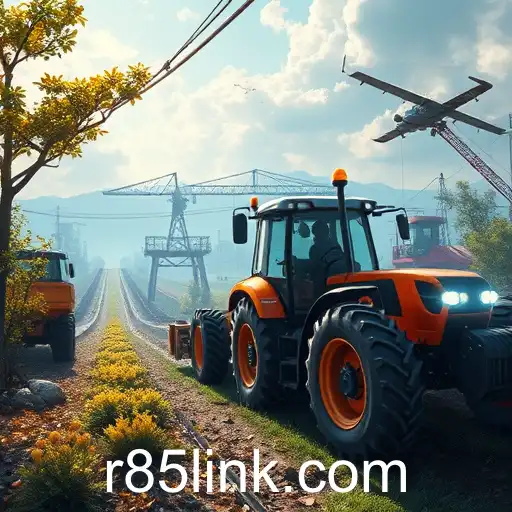
Simulation games offer players a unique opportunity to immerse themselves in realistic environments and scenarios, simulating activities from real life and beyond.

